

Kommerce Founder COCO Traces Brand Design Language to Years of Study in Japanese Streetwear
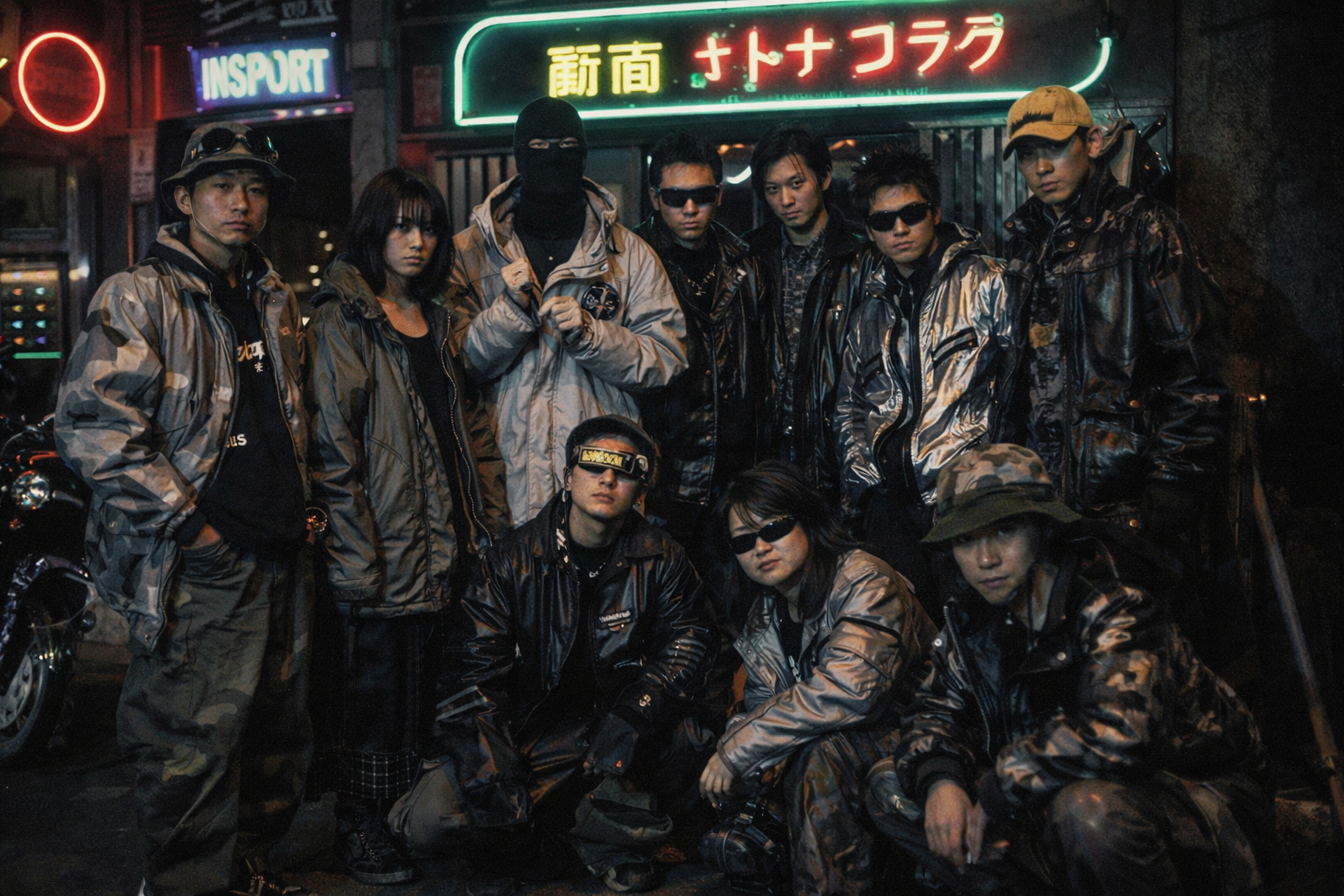
A group of young adults outside of a tokyo nightclub wearing Kommerce clothing that is inspired by PPFM

A group of bikers in Japan wearing PPFM and Kapital that was taken by Kommerce Founder COCO
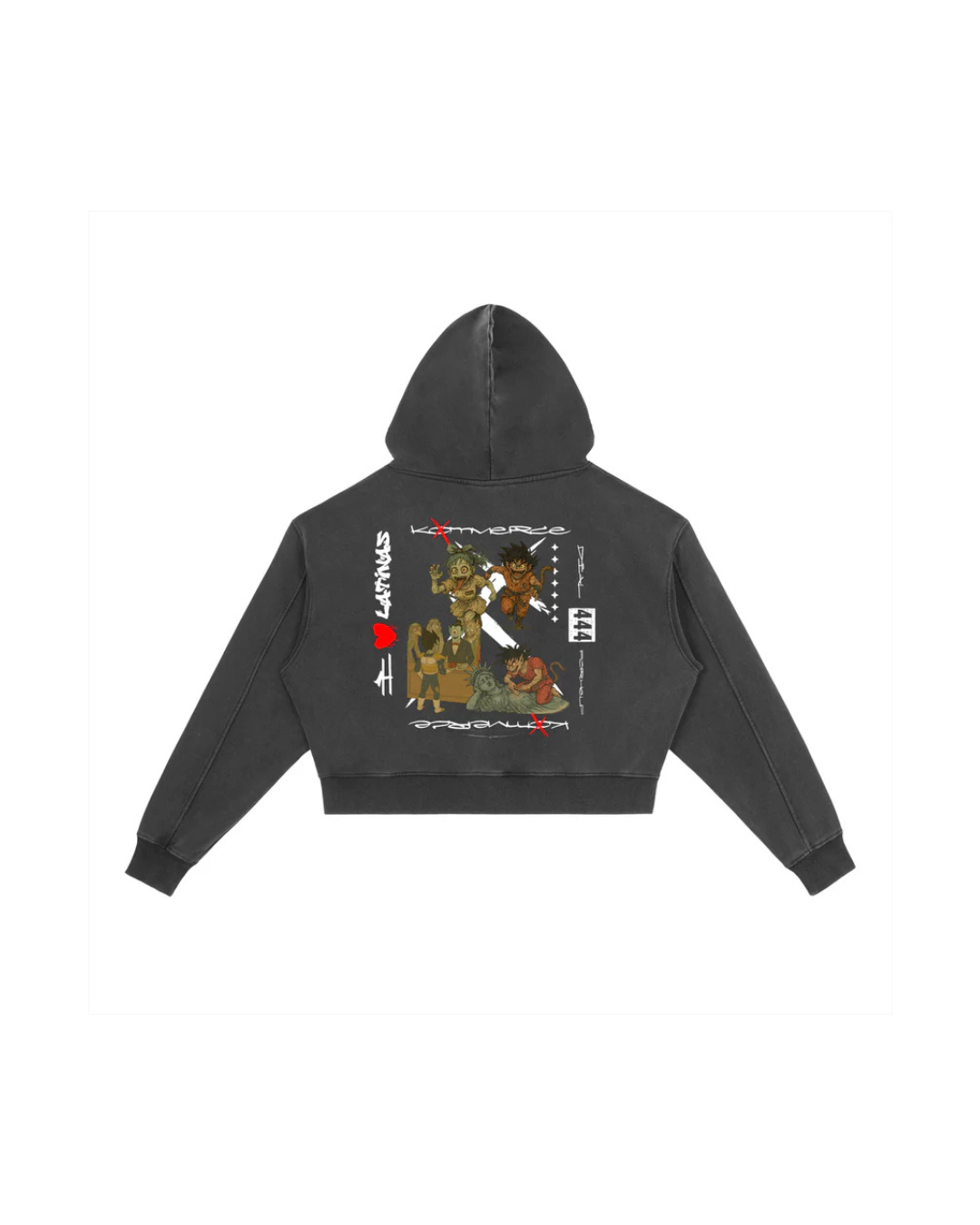
Kommerce original heavyweight hoodie made in NYC

White Kommerce Tshirt with a yokai motorcycle rider wearing a yellow jumpsuit

Layered Kommerce Tshirt Inspired by the movie Fight Club
A founder’s long-term study of Evisu, PPFM, Kapital and the work of Kawanabe Kyosai informs the silhouette and graphic direction behind the New York label
QUEENS, NY, UNITED STATES, March 16, 2026 /EINPresswire.com/ -- Kommerce, a New York-based streetwear label, is positioning its design story around founder COCO’s years-long study of Japanese fashion, denim, and graphic traditions, outlining how that education shaped the label’s approach to silhouette, material, and print design.According to the brand, COCO’s interest in Japanese fashion began with a first pair of Evisu jeans. Evisu states that the brand was founded in Osaka in 1991 and became known for hand-painted seagull logos and premium Japanese selvedge denim, with early production intentionally limited and labor intensive. That combination of visual identity and craftsmanship made the label one of the most recognizable names in Japanese denim culture.
Kommerce says that first encounter with Evisu led COCO into a more technical study of denim and finish. The founder describes being drawn not only to the fit of the jeans, but to the texture and surface character of the painted pocket treatment, which prompted him to experiment with recreating similar paint mixtures by hand before moving into other materials, including acrylic-based trials, as part of his early process research. Within the Kommerce narrative, that initial fascination with Evisu Baggy fits and painted surfaces became the starting point for a broader investigation into baggy japanese selvedge denim, japanese black denim, and the construction logic behind garments that communicate craft before branding.
The brand says that process later expanded during a trip to Tokyo, where COCO began collecting Japanese pieces not simply to wear, but to study. Kommerce identifies Kapital and PPFM as especially important to that next phase of development. Public fashion references describe PPFM, commonly expanded as Peyton Place For Men, as a Japanese label founded in 1985 that evolved from understated menswear into a more youth-driven street and punk-influenced brand by the late 1990s and early 2000s.
Within Kommerce’s account, those discoveries shifted the founder’s focus from surface treatment to form. COCO says he began buying Kapital and PPFM garments as study objects, taking them apart to understand the pattern work, proportion, and movement behind the silhouettes. The label describes that period as foundational to the development of its own shapes, from looser tops to fuller leg lines, as well as its interest in garments that sit between workwear and streetwear. In that reading, the Kommerce approach to a japanese tshirt, a black new york hoodie, and other staples associated with japanese streetwear hoodies comes less from trend imitation than from repeated pattern analysis and reconstruction.
“Japanese streetwear taught me to look past the logo and into the build,” said COCO, founder of Kommerce. “With Evisu, I was obsessed with the paint and the denim. With Kapital and PPFM, it became about silhouette, balance, and how a garment carries tension. I started taking pieces apart because I wanted to understand why they felt alive.”
The brand also says the Tokyo trip influenced more than garment shape. Kommerce links its graphic direction to a visit to the Kawanabe Kyosai Memorial Museum in Warabi, Saitama. Event documentation for the museum identifies it as a dedicated institution focused on the work of Kyosai Kawanabe and Kyosui Kawanabe, while broader museum material from the Smithsonian describes Kawanabe Kyosai as one of the most colorful and inventive figures of late nineteenth-century Japanese art.
Kommerce says COCO was particularly struck by the emotional duality in Kyosai’s work: images that could appear humorous, dark, inviting, or unsettling at the same time. The brand now cites that tension as an influence on the illustrations and printed graphics used across its hoodies and tees. In the company’s framing, Kyosai’s work offered a model for graphics that feel expressive without becoming decorative for decoration’s sake.
“Kyosai’s work felt dark, but never empty,” COCO said. “There was humor in it, discomfort in it, humanity in it. That changed how I thought about graphics. I stopped seeing them as something you place on clothing and started seeing them as something that reveals character.”
Kommerce’s current positioning places the label inside a broader conversation about Japanese-inspired streetwear in New York. Rather than presenting its garments as direct reproductions of archival Japanese fashion, the brand describes them as products of study: pattern-driven silhouettes informed by Kapital and PPFM, denim curiosity sharpened by early exposure to Evisu, and graphics shaped by time spent with Japanese art history. The label says that approach has informed its use of heavier fabrics, wider proportions, and graphic treatments across categories ranging from a japanese tshirt to outerwear pieces that align with search language around japanese streetwear hoodies, black new york hoodie styling, and related streetwear silhouettes.
Kommerce also notes that its visual and structural interests exist within a wider Japanese fashion continuum that consumers often encounter through names such as Hysteric Glamour, Kapital, and PPFM. The company says its goal is not to collapse those references into one look, but to acknowledge the distinct ways those labels and artists shaped its founder’s education in fashion.
By framing the brand through research, deconstruction, and museum study, Kommerce is presenting its origin less as a conventional launch story and more as a design lineage built over time. The company says that what began with one pair of Evisu jeans eventually expanded into a longer practice of studying Japanese black denim, baggy japanese selvedge denim, and the kinds of pattern systems and graphic languages that continue to influence global streetwear.
COCO
Kommerce
+1 347-445-4880
info@kommersary.com
Visit us on social media:
LinkedIn
Instagram
TikTok
Legal Disclaimer:
EIN Presswire provides this news content "as is" without warranty of any kind. We do not accept any responsibility or liability for the accuracy, content, images, videos, licenses, completeness, legality, or reliability of the information contained in this article. If you have any complaints or copyright issues related to this article, kindly contact the author above.
